Every great achievement begins with a small step—and for you, dear aspirant, that step is mastery of grammar. Whether you’re preparing for UPSC, PCS, SSC, Patwari, Senior Assistant, or any other competitive exam, your command over English grammar is not just a skill—it’s a superpower.
So far, we’ve walked together through 55 essential Top English grammar rules, each one explained with care, clarity, and purpose. These rules weren’t just lessons—they were tools to sharpen your confidence, clarify your expression, and strengthen your answers.
📚 If you haven’t read those previous articles yet, please scroll down and click the links to explore them. They’re written in simple grammar, easy vocabulary, and with a deep understanding of what aspirants truly need.
Now, it’s time to move forward with more essential grammar rules that are frequently asked in exams like UPSC, PCS, SSC, Patwari, Senior Assistant, and many others.
These rules are not just for scoring marks—they’re for building confidence, clarity, and command over the English language.
Table of Contents
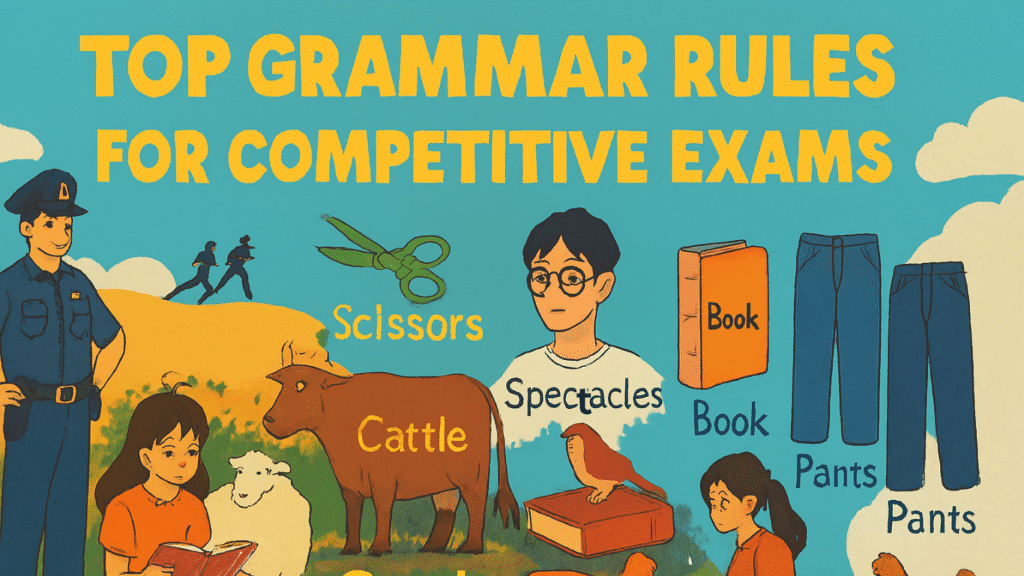
📘 Grammar Rule 56: People, Police, Cattle, Sheep, Deer, Peasantry, Gentry, Poultry, Cavalry

ਇਹ ਸਾਰੇ ਸ਼ਬਦ ਤੁਸੀਂ ਕਈ ਵਾਰੀ ਪੜ੍ਹੇ ਜਾਂ ਸੁਣੇ ਹੋਣਗੇ। ਇਨ੍ਹਾਂ ਦੇ ਨਾਲ ਹੀ ਇਹ examiner ਦੇ ਵੀ favourite words ਹਨ। ਇਸ ਲਈ ਇਹ rule ਜਾਣਨਾ ਬਹੁਤ ਜ਼ਰੂਰੀ ਹੈ। ਇਹਨਾਂ ਸ਼ਬਦਾਂ ਦੀ ਵਰਤੋਂ Plural Noun ਦੇ ਰੂਪ ਵਿੱਚ ਹੁੰਦੀ ਹੈ। ਜਦੋਂ ਇਹ sentence ਦੇ subject ਵਜੋਂ ਆਉਣ, ਤਾਂ ਇਨ੍ਹਾਂ ਦੇ ਨਾਲ Plural Verb ਦੀ ਵਰਤੋਂ ਹੁੰਦੀ ਹੈ। ਜਿਵੇਂ:
The Police are chasing the thieves. correct
“Police” ਇੱਕ plural noun ਹੈ, ਇਸ ਲਈ “are” plural verb ਦੀ ਵਰਤੋਂ ਸਹੀ ਹੈ।
The Police is chasing the thieves. incorrect
“Police” plural noun ਹੋਣ ਦੇ ਬਾਵਜੂਦ “is” singular verb ਹੈ, ਜੋ ਕਿ ਗਲਤ ਹੈ। “is” ਦੀ ਜਗ੍ਹਾ “are” ਆਉਣਾ ਚਾਹੀਦਾ ਸੀ।
📌 Note: ਹੁਣ ਇਸ ਨਾਲ ਕੁਝ exceptions ਵੀ ਹਨ, ਜੋ ਸਾਨੂੰ detail ਵਿੱਚ ਪੜ੍ਹਣੇ ਜ਼ਰੂਰੀ ਹਨ:
(i) People ਦਾ ਅਰਥ ਜਦੋਂ “ਲੋਕ” ਹੋਵੇ
ਤਾਂ ਇਹ plural ਮੰਨਿਆ ਜਾਂਦਾ ਹੈ। ਇਸ ਅਰਥ ਵਿੱਚ ‘s’ ਜੋੜ ਕੇ plural ਨਹੀਂ ਬਣਾਇਆ ਜਾਂਦਾ।
The People of Bihar are laborious. correct
“People” ਇੱਥੇ Bihar ਦੇ ਲੋਕਾਂ ਦੀ ਗੱਲ ਕਰ ਰਿਹਾ ਹੈ, ਇਸ ਲਈ plural verb “are” ਦੀ ਵਰਤੋਂ ਸਹੀ ਹੈ।
The “peoples” of Bihar are laborious. incorrect
“People” ਦੇ plural ਲਈ ‘s’ ਨਹੀਂ ਜੋੜਿਆ ਜਾਂਦਾ ਜਦੋਂ ਅਰਥ “ਲੋਕ” ਹੋਵੇ।
The Peoples of Bihar is laborious. incorrect
“Peoples” ਗਲਤ ਹੈ, “is” ਵੀ singular verb ਹੈ ਜੋ ਗਲਤ ਹੈ। “People” ਅਤੇ “are” ਸਹੀ ਹੋਵੇਗਾ।
(ii) People ਜਦੋਂ “ਰਾਸ਼ਟਰ” ਜਾਂ “ਜਾਤੀ” ਦੇ ਅਰਥ ਵਿੱਚ ਹੋਵੇ
ਤਾਂ ਇਹ countable noun ਬਣ ਜਾਂਦਾ ਹੈ ਅਤੇ ‘s’ ਜੋੜ ਕੇ plural ਬਣਾਇਆ ਜਾਂਦਾ ਹੈ।
Many different peoples live in Bihar. correct
“Peoples” ਇੱਥੇ ਕਈ ਜਾਤੀਆਂ ਦੀ ਗੱਲ ਕਰ ਰਿਹਾ ਹੈ, ਇਸ ਲਈ plural verb “live” ਸਹੀ ਹੈ।
Many different people live in Bihar. incorrect
“People” ਇੱਥੇ ਕਾਫੀ ਨਹੀਂ, ਕਈ ਜਾਤੀਆਂ ਦੀ ਗੱਲ ਹੋਣ ਕਰਕੇ “Peoples” ਆਉਣਾ ਚਾਹੀਦਾ ਸੀ।
(iii) Police
“Police” plural noun ਹੀ ਰਹਿੰਦਾ ਹੈ। “Polices” ਨਹੀਂ ਬਣਾਇਆ ਜਾਂਦਾ।
(iv) Poultry
“Poultry” ਦੇ ਦੋ ਅਰਥ ਹੁੰਦੇ ਹਨ:
(a) ਜਦੋਂ “ਪਾਲਤੂ ਮੁਰਗੀਆਂ/ਬਤਖਾਂ” ਦੇ ਅਰਥ ਵਿੱਚ ਹੋਵੇ:
The poultry are sold here. correct
“Poultry” plural noun ਹੈ, “are” ਸਹੀ verb ਹੈ।
The poultry is sold here. incorrect
“is” singular verb ਗਲਤ ਹੈ।
(b) ਜਦੋਂ “ਭੋਜਨ” ਦੇ ਅਰਥ ਵਿੱਚ ਹੋਵੇ:
Poultry is cheap in Patna. correct
“Poultry” uncountable noun ਹੈ, “is” ਸਹੀ ਹੈ।
Poultry are cheap in Patna. incorrect
“are” plural verb ਗਲਤ ਹੈ।
So, ਤੁਸੀਂ “People”, “Police”, “Poultry” ਵਰਗੇ favourite words ਦੇ rules clear ਕਰ ਲਏ। ਇਹਨਾਂ ਦੀ practice ਕਰੋ, sentence examples ਨਾਲ, ਤਾਂ ਜੋ future ਵਿੱਚ ਕੋਈ confusion ਨਾ ਰਹੇ। Grammar ਸਿਰਫ rule ਨਹੀਂ—ਇਹ precision, expression ਅਤੇ confidence ਦਾ ਸਾਧਨ ਹੈ। ਤੁਸੀਂ ਜਦੋਂ ਇਹ rules samajh ਲੈਂਦੇ ਹੋ, ਤਾਂ ਤੁਸੀਂ mistakes ਤੋਂ ਬਚਦੇ ਹੋ ਅਤੇ exams ਵਿੱਚ standout ਕਰਦੇ ਹੋ।
📘 Grammar Rule 57: Scissors, Trousers, Pyjamas, Tongs, Pants, Spectacles, Glasses
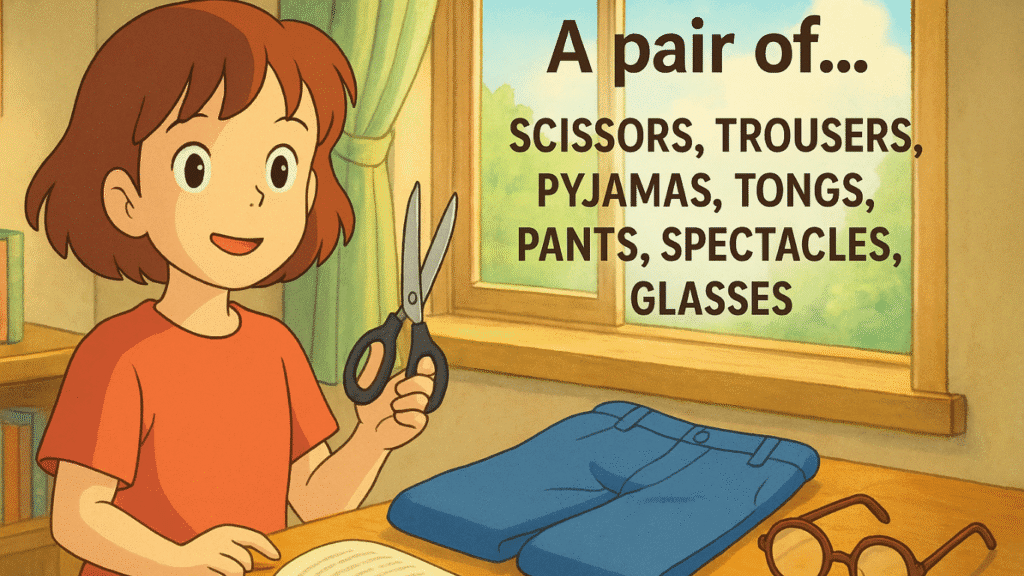
ਇਹ ਸਾਰੇ ਸ਼ਬਦ ਲਗਭਗ ਹਰ exam ਵਿੱਚ ਆਉਂਦੇ ਹਨ। ਇਹਨਾਂ ਸ਼ਬਦਾਂ ਦੀ ਵਰਤੋਂ Plural Noun ਵਜੋਂ ਹੁੰਦੀ ਹੈ ਕਿਉਂਕਿ ਇਹ ਦੋ ਭਾਗਾਂ ਤੋਂ ਬਣੇ ਹੁੰਦੇ ਹਨ। ਇਸ ਕਰਕੇ, Plural Verb ਦੀ ਵਰਤੋਂ ਕਰਨੀ ਲਾਜ਼ਮੀ ਹੁੰਦੀ ਹੈ।
Example:
His spectacles have been framed. correct
“Spectacles” plural noun ਹੈ, ਕਿਉਂਕਿ ਇਹ ਦੋ ਲੈਂਸ ਤੋਂ ਬਣੇ ਹਨ। “Have” plural verb ਦੀ ਵਰਤੋਂ ਸਹੀ ਹੈ।
His spectacles has been framed. incorrect
“Has” singular verb ਗਲਤ ਹੈ। “Spectacles” plural noun ਹੈ, ਇਸ ਲਈ “have” ਆਉਣਾ ਚਾਹੀਦਾ ਸੀ।
🔍 Smart Grammar Trick: “A Pair of…”
ਹੁਣ ਇੱਕ smart move ਵੀ ਹੈ ਜੋ aspirants ਨੂੰ edge ਦੇ ਸਕਦੀ ਹੈ। ਜੇ ਤੁਸੀਂ Plural Noun ਤੋਂ ਪਹਿਲਾਂ “A pair of” ਵਰਤੋਂ, ਤਾਂ ਉਹ noun Singular ਮੰਨਿਆ ਜਾਂਦਾ ਹੈ, ਅਤੇ Singular Verb ਦੀ ਵਰਤੋਂ ਹੁੰਦੀ ਹੈ।
Example:
A pair of trousers is new. correct
“A pair of” subject ਹੈ, ਜੋ singular ਹੈ। “Is” singular verb ਸਹੀ ਹੈ।
A pair of trousers are new. incorrect
“Are” plural verb ਗਲਤ ਹੈ। “A pair” singular subject ਹੈ, ਇਸ ਲਈ “is” ਆਉਣਾ ਚਾਹੀਦਾ ਸੀ।
Common Exam Trap:
ਇਹ ਬਾਰ-ਬਾਰ exams ਵਿੱਚ ਪੁੱਛਿਆ ਜਾਂਦਾ ਹੈ। Aspirants ਅਕਸਰ Scissors, Pyjamas, Tongs, Pants, Spectacles, Glasses ਵਰਗੇ words ਵੇਖ ਕੇ ਸਿਧਾ plural verb ਲਾ ਦਿੰਦੇ ਹਨ, ਬਿਨਾਂ ਵੇਖੇ ਕਿ sentence ਵਿੱਚ “A pair of” ਵਰਤਿਆ ਗਿਆ ਹੈ ਜਾਂ ਨਹੀਂ।
ਇਸ ਕਰਕੇ ਗਲਤੀ ਹੋ ਜਾਂਦੀ ਹੈ, ਅਤੇ aspirants ਘਰ ਜਾ ਕੇ ਆਪਣੇ ਆਪ ਨੂੰ ਕੋਸਦੇ ਨੇ ।
ਜੇ ਤੁਸੀਂ “A pair of” ਵਾਲੀ trick samajh ਲੈਂਦੇ ਹੋ, ਤਾਂ ਤੁਸੀਂ ਇੱਕ step ਹੋਰ ਅੱਗੇ ਵੱਧ ਜਾਂਦੇ ਹੋ । ਇਹ grammar nuance ਤੁਹਾਨੂੰ Rank ਵਿੱਚ ਹਜ਼ਾਰਾਂ ਤੋਂ ਅੱਗੇ ਲੈ ਜਾ ਸਕਦੀ ਹੈ ।
Grammar ਸਿਰਫ rule ਨਹੀਂ—ਇਹ strategy, clarity, ਤੇ confidence ਦਾ ਸਾਧਨ ਹੈ।
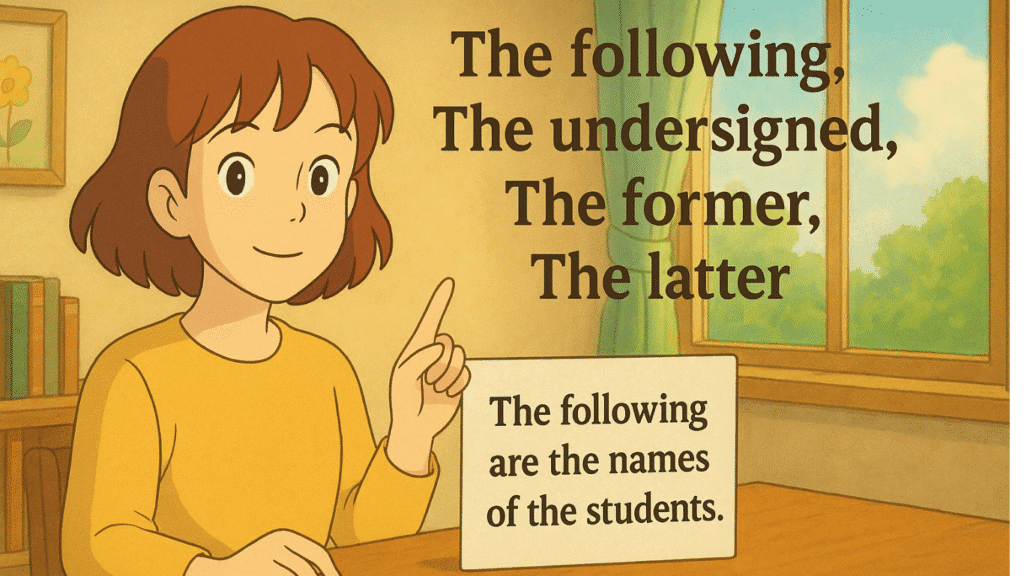
📘 Grammar Rule 58: The Following, The Undersigned, The Former, The Latter
Subject–Verb Agreement Based on the Referenced Noun
The following, The undersigned, The former, The latter ਦਾ ਪ੍ਰਯੋਗ sentence ਦੇ subject ਦੇ ਰੂਪ ਵਿੱਚ ਹੋਵੇ ਤਾਂ ਇਸ ਦੇ ਬਾਅਦ ਜਾਂ ਪਹਿਲਾਂ (ਜਿਸ ਲਈ ਇਹਨਾਂ ਸ਼ਬਦਾਂ ਦਾ ਪ੍ਰਯੋਗ ਕੀਤਾ ਜਾਂਦਾ ਹੈ) ਵਰਤੇ ਗਏ noun ਦੇ number ਅਤੇ person ਦੇ ਅਨੁਸਾਰ verb ਦਾ ਪ੍ਰਯੋਗ ਕੀਤਾ ਜਾਂਦਾ ਹੈ। ਜਿਵੇਂ:
1. The following is the weather report. correct
ਇਸ ਵਿੱਚ ‘is’ ਇੱਕ singular verb ਹੈ ਜੋ singular noun weather report ਨੂੰ follow ਕਰ ਰਹੀ ਹੈ। So rule ਮੁਤਾਬਕ ਅਸੀਂ ਪੜ੍ਹਿਆ ਕਿ The following ਦਾ ਪ੍ਰਯੋਗ weather report ਲਈ ਹੋ ਰਿਹਾ ਹੈ, ਤਾਂ ਇਸ ਤੋਂ ਬਾਅਦ ਵਾਲਾ verb ਉਸ noun ਦੇ number ਅਤੇ person ਦੇ ਅਨੁਸਾਰ ਆਉਂਦਾ ਹੈ। ਇਸ ਲਈ ਇਹ sentence ਬਿਲਕੁਲ ਸਹੀ ਹੈ।
2. The following are the names of the students. correct
ਹੁਣ ਇਸ example ਵਿੱਚ The following ਤੋਂ ਬਾਅਦ are ਵਰਤਿਆ ਗਿਆ ਹੈ ਜੋ ਇੱਕ plural verb ਹੈ, ਅਤੇ ਇਹ students (plural noun) ਨੂੰ follow ਕਰ ਰਹੀ ਹੈ। ਇਸ ਲਈ ਇਹ sentence ਵੀ ਬਿਲਕੁਲ ਸਹੀ ਹੈ।
3. Bhavna and Rima are beautiful girls, but the former is more beautiful than the latter. correct
ਇਸ ਵਿੱਚ ਦੋ ਸ਼ਬਦ ਹਨ: The former ਅਤੇ The latter। ਇਸ sentence ਮੁਤਾਬਕ:
- The former ਦਾ ਪ੍ਰਯੋਗ Bhavna ਲਈ ਹੋ ਰਿਹਾ ਹੈ, ਜੋ ਕਿ singular ਹੈ, ਇਸ ਲਈ The former ਦੇ ਨਾਲ singular verb is ਵਰਤੀ ਗਈ ਹੈ।
- The latter ਦਾ ਪ੍ਰਯੋਗ Rima ਲਈ ਹੋ ਰਿਹਾ ਹੈ, ਜੋ ਕਿ singular ਹੈ, ਇਸ ਲਈ The latter ਦੇ ਨਾਲ ਵੀ singular verb is ਵਰਤੀ ਗਈ ਹੈ।
📌 Note:
Former, Latter, Following, ਅਤੇ Undersigned — ਇਨ੍ਹਾਂ ਸ਼ਬਦਾਂ ਦੇ ਨਾਲ ‘s’ ਜੋੜ ਕੇ plural ਨਹੀਂ ਬਣਾਇਆ ਜਾਂਦਾ।
❌ Don’t write: formers, latters, followings, undersigneds
📘 Grammar Rule 59: Use of “As follows”, “As regards”, “As concerns”
Subject–Verb Agreement Based on the Noun’s Number and Person
ਜਿਸ noun ਲਈ as follows, as regards, as concerns ਵਰਤੇ ਜਾਂਦੇ ਹਨ, ਉਸ noun ਦੇ number (singular/plural) ਅਤੇ person ਦੇ ਅਨੁਸਾਰ verb ਦੀ ਵਰਤੋਂ ਕੀਤੀ ਜਾਂਦੀ ਹੈ। ਜਿਵੇਂ:
Example 1:
Her details are as follows.
ਇਸ sentence ਵਿੱਚ details ਇੱਕ plural noun ਵਜੋਂ use ਹੋ ਰਿਹਾ ਹੈ, ਅਤੇ are ਇੱਕ plural verb ਵਜੋਂ follow ਕਰ ਰਿਹਾ ਹੈ, ਜੋ ਇਸ sentence ਨੂੰ ਸਹੀ ਬਣਾਉਂਦਾ ਹੈ।
Incorrect Example:
Her details is as follows.
ਇਸ sentence ਵਿੱਚ details plural noun ਹੈ, ਪਰ is ਇੱਕ singular verb ਹੈ ਜੋ follow ਨਹੀਂ ਕਰ ਸਕਦਾ।
📌 ਇੱਥੇ plural verb ਹੀ use ਹੋਣੀ ਚਾਹੀਦੀ ਹੈ।
Example 2:
The old rates are as follows.
ਇਸ sentence ਵਿੱਚ rates plural noun ਹੈ, ਇਸ ਲਈ are plural verb ਦੀ ਵਰਤੋਂ ਬਿਲਕੁਲ ਸਹੀ ਹੈ।
Incorrect Example:
The old rates is as follow.
ਇਸ sentence ਵਿੱਚ is singular verb ਦੀ ਵਰਤੋਂ ਹੋਣ ਕਾਰਨ ਇਹ sentence ਅਸੁੱਧ ਹੋ ਜਾਂਦਾ ਹੈ।
📌 ਇਸ ਨੂੰ ਸਹੀ ਕਰਨ ਲਈ is ਦੀ ਜਗ੍ਹਾ are ਵਰਤਣਾ ਪਵੇਗਾ।
📘 Grammar Rule 60: Noun + Apostrophe (‘) / Apostrophe-S (‘s) + Noun
✍️ Subject–Verb Agreement Based on Possessive Noun
ਜੇ Noun + apostrophe [‘] / apostrophe ‘s’ [‘s] + Noun ਦਾ ਪ੍ਰਯੋਗ sentence ਦੇ subject ਦੇ ਰੂਪ ਵਿੱਚ ਹੋਵੇ, ਤਾਂ apostrophe ਵਾਲੇ noun ਦੇ number (singular/plural) ਅਤੇ person ਦੇ ਅਨੁਸਾਰ verb ਦੀ ਵਰਤੋਂ ਕੀਤੀ ਜਾਂਦੀ ਹੈ।
Example 1:
Ram’s book is red.
ਹੁਣ ਇਸ sentence ਵਿੱਚ Ram ਦੇ ਨਾਲ ‘s ਦੀ ਵਰਤੋਂ ਹੋ ਰਹੀ ਹੈ। Rule 60 ਦੇ ਮੁਤਾਬਕ, apostrophe [‘s] ਨਾਲ ਵਾਲੇ noun book ਦੇ number ਅਤੇ person ਦੇ ਅਨੁਸਾਰ verb ਦੀ ਵਰਤੋਂ ਹੋਏਗੀ।
📘 Book ਇੱਕ singular noun ਹੈ, ਜਿਸ ਨਾਲ singular verb is ਦੀ ਵਰਤੋਂ ਲਾਜ਼ਮੀ ਹੈ। ਇਸ ਕਰਕੇ ਇਹ sentence ਬਿਲਕੁਲ ਸਹੀ ਹੈ।
Example 2:
Ram’s books are red.
ਇਹ sentence ਵੀ ਉਪਰਲੇ sentence ਵਰਗਾ ਹੀ ਹੈ, ਪਰ ਇੱਥੇ apostrophe [‘s] ਨਾਲ ਵਾਲਾ noun books plural ਹੈ।
📘 ਇਸ ਲਈ verb ਵੀ plural ਹੀ ਵਰਤੀ ਜਾਵੇਗੀ। ਇਸ sentence ਵਿੱਚ verb are ਦੀ ਵਰਤੋਂ ਹੋ ਰਹੀ ਹੈ, ਜੋ ਇਸਨੂੰ ਸਹੀ ਬਣਾਉਂਦੀ ਹੈ।
📚 Final Note for Aspirants for Top English grammar rules
ਹੁਣ ਤੁਹਾਨੂੰ ਇਹ 5 Grammar Rules ਸਮਝ ਆ ਚੁੱਕੇ ਹਨ ਅਤੇ ਅਸੀਂ ਇਹਨਾਂ ਦੀ examples ਵੀ ਕਰ ਚੁੱਕੇ ਹਾਂ। ਤੁਸੀਂ ਹੁਣ ਹਰ ਇੱਕ Grammar Rule ਦੇ examples ਲਿਖਣ ਦੀ practice ਕਰੋ, ਜੋ ਤੁਹਾਨੂੰ ਇਹਨਾਂ Grammar Rules ਨੂੰ ਸਮਝਣ ਵਿੱਚ ਮਦਦ ਕਰੇਗੀ।
📲 ਤੁਸੀਂ ਸਾਨੂੰ WhatsApp ‘ਤੇ ਵੀ ਇਹਨਾਂ examples ਨੂੰ share ਕਰ ਸਕਦੇ ਹੋ।
📘 ਹੋਰ articles ਲਈ, ਤੁਸੀਂ ਸਾਡੀ English Grammar section ‘ਤੇ ਜਾ ਕੇ detail ਵਿੱਚ ਸਮਝ ਸਕਦੇ ਹੋ।