The Creation of Khalsa on Baisakhi, 1699 A.D. by Sri Guru Gobind Singh Ji is regarded as the greatest turning point in Sikh history. It marked the birth of a fearless community of saint‑soldiers (Sant‑Sipahi) who fought against tyranny, caste oppression, and corruption. This event is considered the beginning of a new era in Punjab, as the Khalsa uprooted the mighty Mughal and Afghan empires.
Why Was the Khalsa Created?
Tyrannical Rule of the Mughals – Cause of Khalsa Creation
The Mughal Empire’s tyranny was one of the most important reasons behind the Creation of the Khalsa in 1699. From Jahangir to Aurangzeb, Sikh Gurus and their followers faced relentless persecution:
- Martyrdom of Guru Arjan Dev Ji (1606): Emperor Jahangir ordered the execution of the fifth Sikh Guru, Sri Guru Arjan Dev Ji, at Lahore. This was the first martyrdom in Sikh history, marking the beginning of open hostility between the Mughals and Sikhs.
- Imprisonment of Guru Hargobind Sahib Ji: Jahangir later imprisoned the sixth Guru in Gwalior Fort, fearing his growing influence. Guru Hargobind Sahib Ji fought several battles against Mughal forces during Shah Jahan’s reign, proving Sikh resistance was inevitable.
Aurangzeb’s Religious Fanaticism
Aurangzeb’s reign (1658–1707) intensified Mughal oppression to its peak:
- Demolition of Temples: Aurangzeb ordered the destruction of many prominent Hindu temples across India.
- Re‑imposition of Jaziya Tax: Unlike Akbar, who had abolished the discriminatory tax, Aurangzeb re‑imposed it on Hindus, burdening them financially and socially.
- Forced Conversions: Hindus who refused to embrace Islam were dismissed from government service and often faced brutal punishments.
Martyrdom of Guru Tegh Bahadur Ji (1675)
The most defining moment of Aurangzeb’s tyranny was the martyrdom of Sri Guru Tegh Bahadur Ji, the ninth Sikh Guru:
- Guru Ji sacrificed his life on 11 November 1675 at Delhi to defend the religious freedom of Kashmiri Pandits.
- His execution shocked the Sikh community and highlighted the urgent need for a strong, united force to resist Mughal oppression.
Guru Gobind Singh Ji’s Response
Witnessing these atrocities, Sri Guru Gobind Singh Ji realized that only a fearless, disciplined, and spiritually devoted community could resist tyranny. Thus, he created the Khalsa Panth in 1699, giving Sikhs a distinct identity and mission:
- To protect Dharma and defend the oppressed.
- To end Mughal cruelty and establish justice.
- To embody the ideal of the Saint‑Soldier (Sant‑Sipahi), combining spirituality with valor.
Treachery of Hill Chiefs
Initial Support and Hidden Motives
The Hill Chiefs of the Shivalik region initially supported Sri Guru Gobind Singh Ji in his struggle against the Mughals. Their cooperation, however, was not based on loyalty or shared ideals, but on selfish motives. They sought to use Guru Sahib’s growing influence and military strength to advance their own interests.
Betrayal and Alliance with Mughals
Over time, the Hill Chiefs revealed their true nature:
- Selfishness and Betrayal: Instead of standing firm with Guru Sahib, they betrayed him and sided with the Mughal rulers whenever it suited their political advantage.
- Unreliable Allies: Their shifting loyalties made them untrustworthy partners in the struggle against tyranny.
- Repeated Compromises: Even after victories achieved with Guru Sahib’s support, they often compromised with the Mughals, undermining Sikh resistance.
Guru Gobind Singh Ji’s Realization
This betrayal convinced Guru Gobind Singh Ji that the Hill Chiefs could never be relied upon for the larger mission of defending Dharma and resisting Mughal oppression. He understood that only a dedicated, disciplined, and loyal force of Sikhs could carry forward the struggle.
Formation of the Khalsa
To overcome this challenge, Guru Sahib created the Khalsa Panth in 1699:
- A community of saint‑soldiers (Sant‑Sipahi), loyal only to the Guru and the principles of Sikhism.
- Free from the selfish politics of Hill Chiefs.
- United under a common identity, ready to resist tyranny and injustice.
Shackles of Caste System
Caste System in Indian Society
The caste system had been deeply rooted in Indian society for centuries. It divided people into numerous castes and sub‑castes, each bound by rigid rules of interaction.
- Discrimination: Higher castes looked down upon lower castes, treating them as inferior and denying them dignity.
- Social Restrictions: A person’s worth was judged by birth, not by personal qualities. Violating caste rules often led to ostracism.
- Impact on Society: This system weakened social unity, created divisions, and made society vulnerable to exploitation.
Sikh Gurus’ Efforts Against Caste
Before Guru Gobind Singh Ji, the Sikh Gurus had already struck at the roots of caste through:
- Sangat: Congregational worship where all sat together, regardless of caste.
- Pangat: Community kitchen (Langar) where everyone ate together, promoting equality.
These institutions challenged caste hierarchy, but the system was still deeply entrenched in wider society.
Guru Gobind Singh Ji’s Vision
Sri Guru Gobind Singh Ji wanted to organize a new social order free from caste shackles:
- In 1699, he created the Khalsa Panth, a casteless and egalitarian community.
- Every Sikh was given a common identity – Singh (for men) and Kaur (for women).
- The Khalsa emphasized unity, equality, and collective strength, ensuring no one was judged by caste but by devotion and character.
Outcome – A Casteless Society
Transformation Through the Khalsa
The creation of the Khalsa in 1699 by Sri Guru Gobind Singh Ji was not only a religious milestone but also a social revolution. It permanently challenged the centuries‑old caste system and gave Sikhs a new identity based on equality and unity.
Equality
- Universal Brotherhood: All members of the Khalsa were treated as brothers and sisters in faith, regardless of caste or social background.
- Common Identity: Every Sikh was given the title Singh (men) and Kaur (women), erasing caste distinctions.
- Dignity for All: Personal qualities and devotion, not birth, became the measure of respect.
Social Revolution
- Empowerment of Downtrodden Castes: Those previously oppressed gained dignity and self‑respect.
- Fearless Warriors: The Khalsa transformed marginalized groups into brave defenders of faith and justice.
- End of Social Barriers: Restrictions on interaction between castes were abolished within the Khalsa community.
Unity
- Collective Strength: The Khalsa became a strong, united force against tyranny and injustice.
- Spiritual and Military Bond: The ideal of the Saint‑Soldier (Sant‑Sipahi) combined spirituality with valor, ensuring unity in both faith and action.
- Resistance Against Oppression: United under Guru Gobind Singh Ji’s vision, the Khalsa successfully resisted Mughal and Afghan oppression in Punjab.
Defective Masand System
Origin of the Masand System
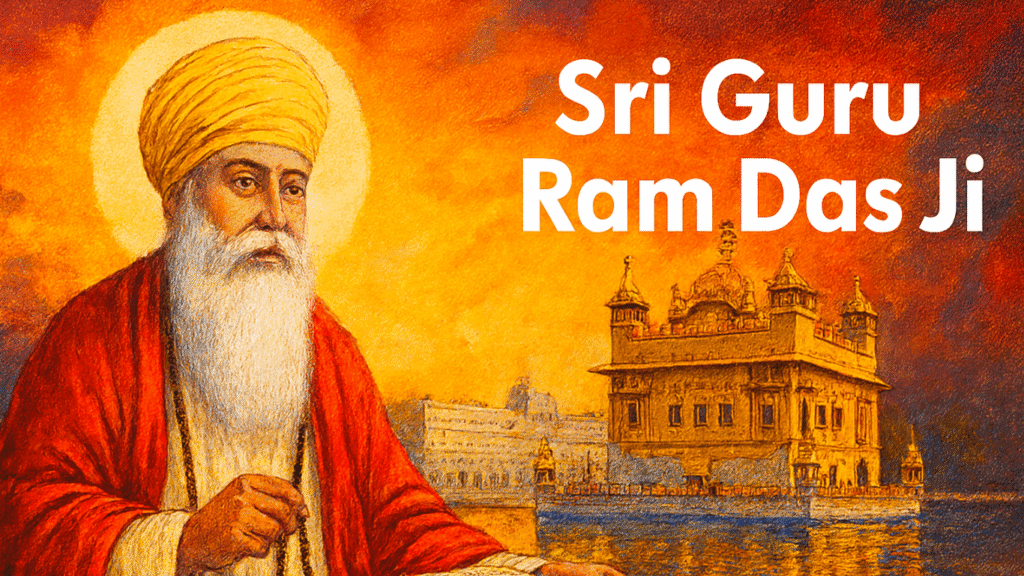
The Masand system was introduced by Sri Guru Ram Das Ji, the fourth Sikh Guru, to strengthen Sikhism and ensure proper collection of offerings from the Sangat. Masands acted as representatives of the Guru, guiding Sikhs in spiritual matters and managing resources for the community.
Corruption and Decline
Over time, however, the system became defective and corrupt:
- Loss of Ideals: Masands forgot their original purpose of service and humility.
- Arrogance: They grew arrogant, claiming themselves to be the makers of Gurus.
- Exploitation: Instead of guiding Sikhs, they began looting offerings and misusing their authority.
- Defiance: Many openly disobeyed Guru Sahib’s instructions, weakening Sikh discipline.
- Separate Gurgaddis: Influential Masands even set up their own rival seats of authority, creating divisions within Sikhism.
Obstacle to Sikh Unity
The corrupt Masands became a major hurdle in the development of Sikhism:
- They misled Sikhs away from the Guru’s teachings.
- Their arrogance and exploitation damaged the spiritual and moral fabric of the community.
- Sikh unity was threatened by the rise of rival sects and false leadership.
Guru Gobind Singh Ji’s Remedy
Recognizing the danger posed by the defective Masand system, Sri Guru Gobind Singh Ji decided to take a drastic step:
- He abolished the Masand system completely.
- To restore discipline and unity, he created the Khalsa Panth in 1699.
- The Khalsa was designed as a direct link between Sikhs and the Guru, eliminating the need for corrupt intermediaries.
Hereditary Nature of Guruship
Origin of Hereditary Guruship
The issue of hereditary succession in Sikhism began during the time of Sri Guru Amar Das Ji, the third Guru. He made Guruship hereditary, intending to preserve continuity. However, this system created serious challenges for the Sikh Panth.
Problems Created by Rival Claimants
Those who were denied Guruship often refused to accept the authority of the chosen Guru. Instead, they formed separate sects and opposed the mainstream Sikh community.
- Prithi Chand: Son of Guru Ram Das Ji, he opposed Guru Arjan Dev Ji and created his own sect.
- Dhir Mal: Grandson of Guru Hargobind Sahib Ji, he claimed Guruship and conspired against later Gurus.
- Ram Rai: Son of Guru Har Rai Ji, disinherited for altering Gurbani, yet continued to mislead Sikhs with his faction.
These rival groups, known as Minas, Dhirmalias, and Ramraias, not only opposed Sikh Gurus but also hatched conspiracies with the Mughals, attempting to weaken Sikh unity.
Threat to Sikh Unity
- Sectarian Divisions: Rival sects tried to woo Sikh masses into their folds.
- Misleading the Sangat: Their propaganda confused ordinary Sikhs and threatened the cohesion of the Panth.
- Political Conspiracies: By aligning with Mughal rulers, they became dangerous obstacles to Sikh progress.
Guru Gobind Singh Ji’s Response
To eliminate these divisions and ensure Sikhism remained united:
- Sri Guru Gobind Singh Ji created the Khalsa in 1699, a society where hereditary claims had no place.
- The Khalsa was based on spiritual worthiness, equality, and collective identity, not family lineage.
- By doing so, Guru Ji ensured that Sikhism could not be misled by rival sects or hereditary claimants.
Mission of Sri Guru Gobind Singh Ji
Divine Purpose in Bachitar Natak
Sri Guru Gobind Singh Ji clearly expressed his mission in his autobiographical work Bachitar Natak:
“I assumed birth for the purpose of spreading Dharma (faith), saving the saints and exterminating all tyrants. For this purpose resort to the sword is legitimate.”
This statement reflects Guru Ji’s vision of protecting righteousness and ensuring justice in society.
Objectives of Guru Ji’s Mission
- Spreading Dharma: To uphold truth, righteousness, and moral values.
- Protecting Saints: To safeguard holy men and innocent people from oppression.
- Exterminating Tyrants: To resist and overthrow unjust rulers who exploited the masses.
- Legitimacy of the Sword: Guru Ji emphasized that when peaceful means fail, resorting to arms becomes necessary to defend justice.
Creation of Khalsa – Realization of the Mission
To fulfill this divine mission, Guru Gobind Singh Ji created the Khalsa Panth in 1699:
- A community of saint‑soldiers (Sant‑Sipahi) who combined spirituality with valor.
- The Khalsa embodied the ideals of justice, equality, and fearlessness.
- It became the instrument through which Guru Ji’s mission of spreading Dharma and resisting tyranny was realized.
Impact of the Mission
- Religious Freedom: The Khalsa defended the right of all communities to practice their faith.
- Social Justice: It abolished caste divisions and empowered the downtrodden.
- Political Resistance: The Khalsa challenged Mughal and Afghan oppression, reshaping Punjab’s destiny.